
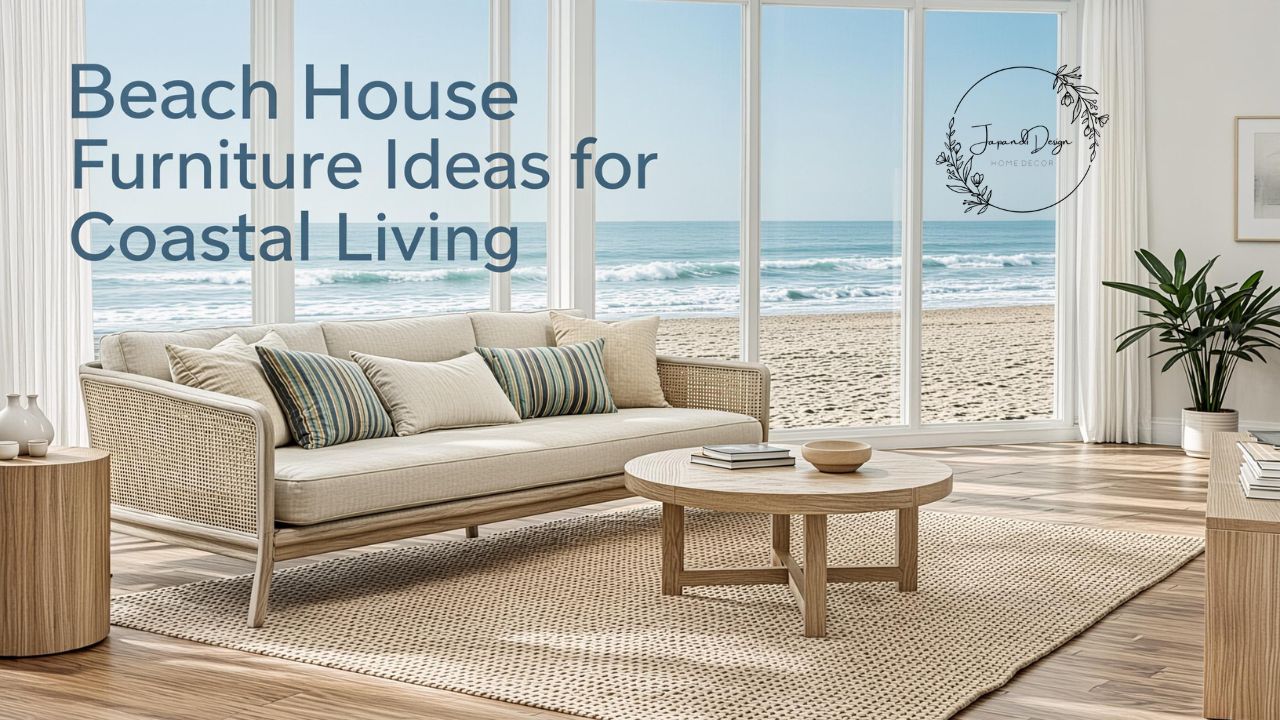
When you walk into a seaside home, something just feels different. The air seems lighter, the colors softer, and the mood instantly calmer. That’s the magic of thoughtful beach house furniture—pieces chosen not just for looks, but for the relaxed, breezy lifestyle they support.
If you’ve ever dreamed of turning your space into a coastal retreat, you’re not alone. beach house furniture has become one of the most searched interior design styles in recent years, and for good reason. It blends comfort, durability, and natural beauty in a way that feels timeless rather than trendy.
Whether you own a waterfront property or simply want to bring that oceanside calm into your everyday home, this guide will walk you through everything you need to know—from materials and layouts to design principles and buying tips.


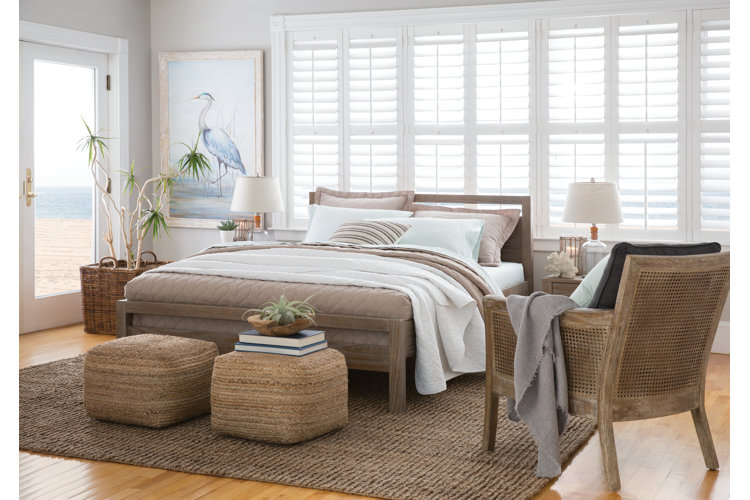
Table of Contents
What Defines Beach House Furniture?
Core Materials Used in Beach House Furniture
Designing a Living Room with Beach House Furniture
Bedroom Styling with Beach House Furniture
Dining Spaces & Kitchens: Coastal Functionality
Outdoor Spaces & Patio Furniture
Color Palettes That Elevate Coastal Interiors
Personal Background: The Rise of Coastal Interior Designers
How to Choose the Right Beach House Furniture for Your Climate
Common Mistakes to Avoid
FAQ
Conclusion
What Defines Beach House Furniture?
At its core, beach house furniture is about creating an atmosphere. It reflects the ocean’s colors, the textures of sand and driftwood, and the effortless comfort of seaside living.
Key Characteristics
- Light, airy color palettes
- Natural textures (rattan, jute, linen, wood)
- Comfortable, oversized seating
- Durable finishes resistant to humidity
- Casual yet refined styling
Unlike heavy traditional furniture, coastal pieces often feature exposed wood grains, slipcovers, woven details, and soft neutral upholstery. The goal isn’t perfection—it’s ease.
Core Materials Used in Beach House Furniture
Material choice is everything in coastal design. Salt air, humidity, and sun exposure can quickly damage poor-quality pieces.
1. Rattan & Wicker
Lightweight yet strong, these materials bring organic texture. They work beautifully for accent chairs, headboards, and bar stools.
2. Solid Wood (Teak, Oak, Pine)
Teak is especially popular in coastal homes because it resists moisture naturally. Whitewashed oak and reclaimed pine create that sun-bleached look many homeowners crave.
3. Linen & Cotton Upholstery
Breathable, soft, and relaxed—linen slipcovers define many beach interiors. They’re washable, practical, and age beautifully.
4. Metal Accents
Brushed nickel, matte black, and antique brass hardware provide subtle contrast without overpowering the airy aesthetic.
Designing a Living Room with Beach House Furniture
The living room is where coastal comfort truly shines.


4
Seating First
Start with a large sectional or deep sofa in soft white, sand, or pale gray. Slipcovered sofas are ideal because they’re easy to clean after sandy afternoons.
Layer in Texture
- Jute rugs
- Woven baskets
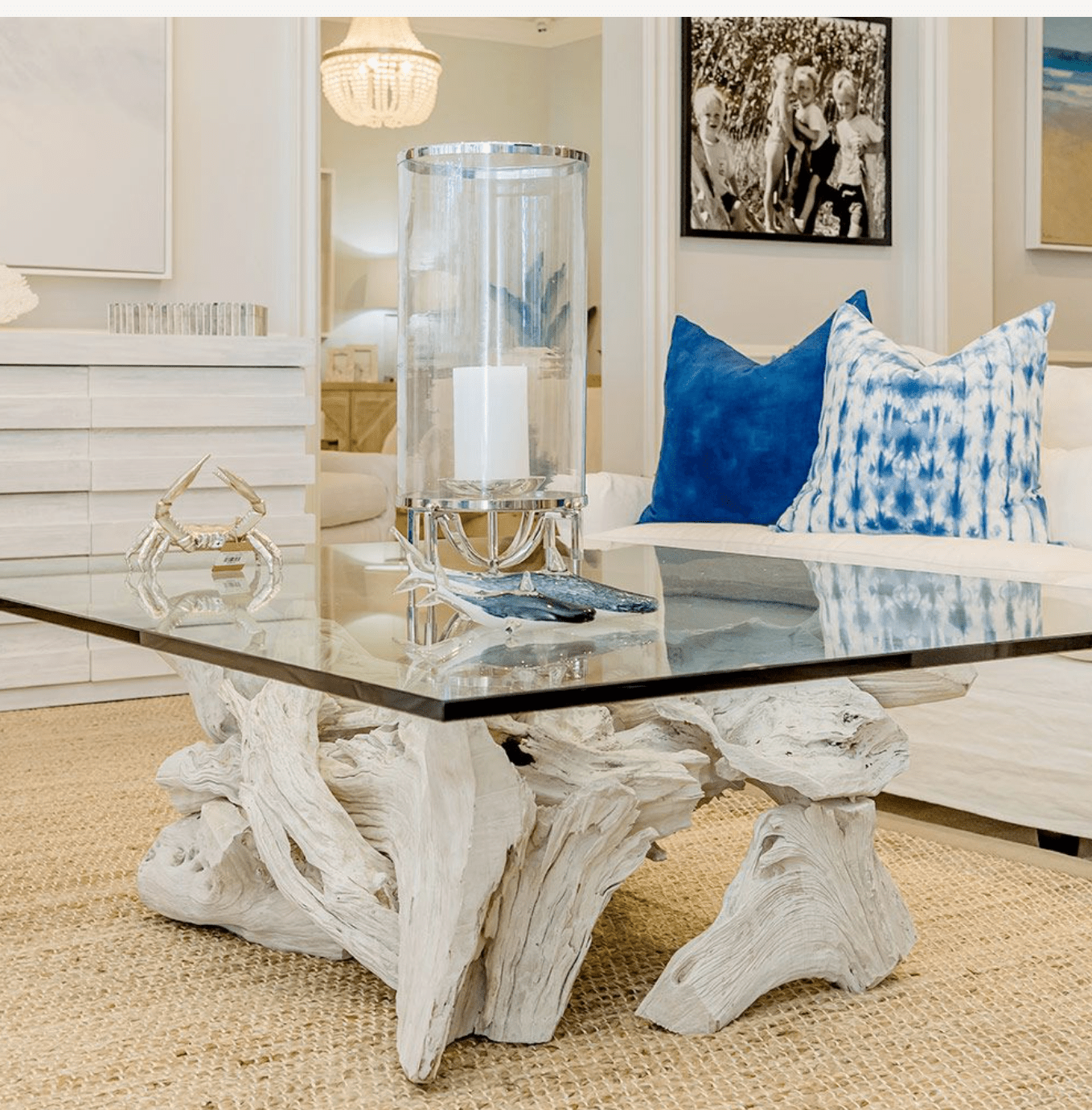
- Driftwood coffee tables
- Linen throw pillows
This layering prevents the space from feeling sterile.
Real-Life Example
A Florida homeowner renovated her rental beach cottage by swapping dark leather couches for white slipcovered seating and adding a reclaimed wood coffee table. The result? A 25% increase in rental bookings within one year, simply because the interior matched the coastal lifestyle visitors expected.
Bedroom Styling with Beach House Furniture
Bedrooms should feel like a private retreat.
Bed Frames & Headboards
Wicker or upholstered linen headboards work best. Avoid bulky carved wood designs that feel formal.
Storage Solutions
Opt for whitewashed dressers or natural oak chests. Keep hardware minimal.
Bedding Essentials
Stick to breathable fabrics:
- Linen sheets
- Cotton quilts
- Light throws
Blue and white remains classic, but soft greens and sandy neutrals are growing in popularity.
Dining Spaces & Kitchens: Coastal Functionality
Dining areas in beach homes should feel communal and welcoming.
Tables
Reclaimed wood dining tables anchor the room. Look for distressed finishes rather than glossy surfaces.
Chairs
Mix and match seating styles—perhaps wood chairs on one side and a bench on the other.
Lighting
Woven pendant lights add warmth while reinforcing texture.
However, avoid overly themed nautical décor like anchors and ship wheels unless you want a playful vacation vibe. Subtlety often feels more sophisticated.
Outdoor Spaces & Patio Furniture
Coastal homes often blur the line between indoors and outdoors.

Durable Materials
- Teak
- Powder-coated aluminum
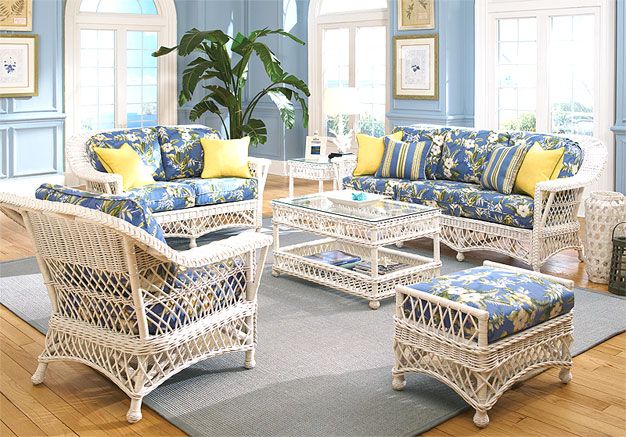
- Synthetic wicker
Outdoor beach house furniture must withstand UV rays and moisture. Investing in weather-resistant cushions pays off long-term.
Infographic: Ideal Coastal Furniture Materials
| Area | Best Material | Why It Works |
|---|---|---|
| Living Room | Linen & Oak | Breathable and durable |
| Bedroom | Wicker & Cotton | Light and calming |
| Dining | Reclaimed Wood | Rustic charm |
| Patio | Teak | Weather resistant |
Color Palettes That Elevate Coastal Interiors
Coastal design isn’t limited to blue and white.
Popular Coastal Color Schemes
- Sand + Ivory + Driftwood
- Soft Blue + White + Natural Wood
- Sage Green + Cream + Rattan
- Charcoal + White + Brass (modern coastal)
In reality, restraint is key. Too many bright colors can overwhelm the serene aesthetic.
Personal Background: The Rise of Coastal Interior Designers
The popularity of beach house furniture surged in the 2010s as lifestyle branding and vacation rentals exploded. Designers like coastal California decorators built entire businesses around relaxed seaside aesthetics.
Many successful coastal designers began as small boutique decorators. Through social media platforms like Instagram and Pinterest, they built loyal audiences.
Career Journey
- Started with local beachfront projects
- Gained exposure via vacation rental styling
- Expanded into furniture lines and brand collaborations
Estimated Net Worth Insights
Top coastal interior influencers now generate six to seven figures annually through:
- Furniture collections
- Sponsored partnerships
- Online design courses
This financial growth reflects the booming demand for vacation-style living in everyday homes.
How to Choose the Right Beach House Furniture for Your Climate
Not every coastal region is the same.
Humid Climates
Choose mold-resistant fabrics and avoid particleboard furniture.
Dry Coastal Areas
Wood may crack—opt for sealed finishes.
Windy Locations
Heavy base furniture prevents tipping outdoors.
That said, durability should never sacrifice comfort. The best beach house furniture feels as good as it looks.
Common Mistakes to Avoid
- Overusing nautical themes
- Choosing pure white without texture
- Ignoring durability for style
- Buying indoor furniture for patios
Balance charm with practicality.
FAQ
What materials are best for beach house furniture?
Teak, oak, rattan, linen, and cotton perform well in coastal climates due to their durability and breathable nature.
Is beach house furniture only for coastal homes?
Not at all. Many homeowners use coastal design inland to create a calm, airy atmosphere.
How often should I replace slipcovers?
With proper washing, quality slipcovers last 3–5 years before noticeable wear.
Can I mix modern and coastal styles?
Yes. Modern coastal design blends clean lines with natural textures beautifully.
What colors work best?
Neutral palettes with subtle blues, greens, and sandy tones feel most authentic.
Is beach house furniture expensive?
Prices vary widely. Investing in key durable pieces saves money long-term.
How do I maintain wooden coastal furniture?
Use protective sealants and avoid prolonged moisture exposure.
What flooring complements coastal furniture?
Light hardwood, whitewashed planks, or natural stone work best.
Conclusion
Creating a coastal retreat isn’t about copying a magazine spread. It’s about capturing a feeling—the relaxed exhale you experience when you step near the ocean. Thoughtfully chosen beach house furniture transforms everyday living into something softer, calmer, and more intentional.
Whether you’re redesigning a waterfront cottage or simply refreshing a suburban living room, focus on natural materials, breathable fabrics, and comfort-first layouts. In the end, the best coastal homes don’t just look beautiful—they feel like a permanent vacation.