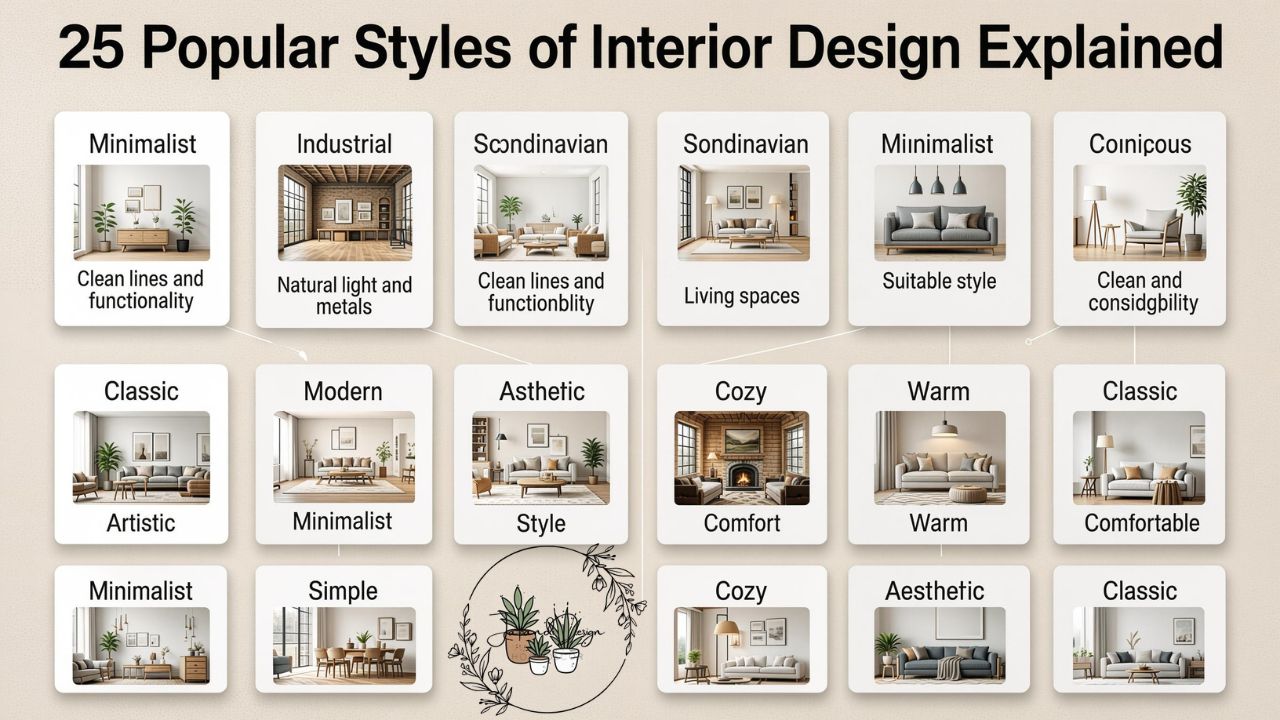
Your home tells a story before you ever say a word. The colors on your walls, the furniture you choose, even the way sunlight hits your curtains—everything communicates mood, personality, and intention. That’s why understanding different styles of interior design isn’t just about trends. It’s about discovering what feels like you.
In reality, most people struggle not because they lack taste—but because they don’t have clarity. Pinterest boards are overflowing, Instagram inspiration is endless, and yet pulling it all together can feel overwhelming. This guide breaks down the most popular styles of interior design in a way that’s practical, inspiring, and easy to apply in real life.


Whether you’re renovating, redecorating, or just curious, you’ll walk away knowing exactly what fits your space—and why.
Table of Contents
What Are Styles of Interior Design?
Modern Interior Design
Contemporary Interior Design
Minimalist Interior Design
Scandinavian Style
Industrial Style
Traditional Interior Design
Transitional Style
Farmhouse Style
Bohemian (Boho) Style
Mid-Century Modern Style
Coastal Style
Eclectic Style
Luxury & Glam Style
How to Choose the Right Styles of Interior Design for Your Home
Frequently Asked Questions
Conclusion
What Are Styles of Interior Design?
At its core, interior design style refers to a cohesive set of characteristics—colors, materials, shapes, layouts, and decorative elements—that define a space’s visual identity. The best styles of interior design don’t just look good; they function beautifully and reflect how you live.
For example:
- A minimalist home focuses on simplicity and clarity.
- A farmhouse home emphasizes warmth and comfort.
- An industrial loft celebrates raw materials and architectural honesty.
Understanding these differences helps prevent common decorating mistakes like mixing conflicting aesthetics or overcrowding a space.
Modern Interior Design
Modern design originated in the early to mid-20th century. It emphasizes clean lines, open spaces, and functional simplicity.
Key Characteristics:
- Neutral color palettes (white, beige, black)
- Sleek furniture with straight lines
- Minimal ornamentation
- Open floor plans
- Natural materials like wood and leather
Modern interiors feel uncluttered and intentional. Every piece has a purpose. If you love order, symmetry, and calm spaces, this style speaks to you.
Contemporary Interior Design
People often confuse modern and contemporary design. However, contemporary style evolves with current trends.
What Defines Contemporary?
- Curved lines and sculptural furniture
- Mixed materials (glass, metal, stone)
- Statement lighting
- Neutral base with bold accents
Unlike modern design, contemporary interiors embrace change. What’s trendy today may shift tomorrow.
Minimalist Interior Design
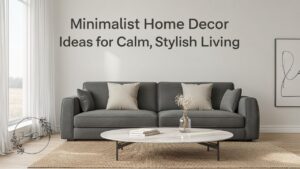
Minimalism isn’t about living with nothing—it’s about living with intention. Among all styles of interior design, minimalism is perhaps the most disciplined.
Core Principles:
- “Less is more”
- Functional furniture only
- Neutral color schemes
- Hidden storage solutions
- Emphasis on negative space
The emotional benefit? Reduced visual noise. Many homeowners report feeling calmer in minimalist spaces.
Scandinavian Style


Scandinavian design blends minimalism with warmth—often described using the Danish concept of hygge (coziness).
Key Features:
- Light wood flooring
- White walls
- Soft textiles (throws, rugs)
- Functional yet cozy furniture
- Natural light emphasis
It’s ideal for smaller homes because it maximizes brightness and openness.
Industrial Style
Inspired by converted warehouses and factories, industrial design embraces raw elements.
Signature Elements:
- Exposed brick
- Concrete floors
- Metal fixtures
- Open ductwork
- Reclaimed wood
This style feels edgy and urban. However, balancing warmth is crucial—otherwise it can feel cold.
Traditional Interior Design
Traditional interiors draw inspiration from 18th and 19th-century European decor.
Hallmarks:
- Rich wood tones
- Ornate moldings
- Symmetrical layouts
- Classic furniture silhouettes
- Elegant textiles like velvet and silk
Traditional homes feel timeless and refined.
Transitional Style
Transitional design bridges traditional and modern aesthetics.
Why It Works:
- Neutral palettes
- Mix of curved and straight lines
- Comfortable yet polished furniture
- Minimal ornamentation
It’s perfect if you appreciate classic elements but want a fresher look.
Farmhouse Style


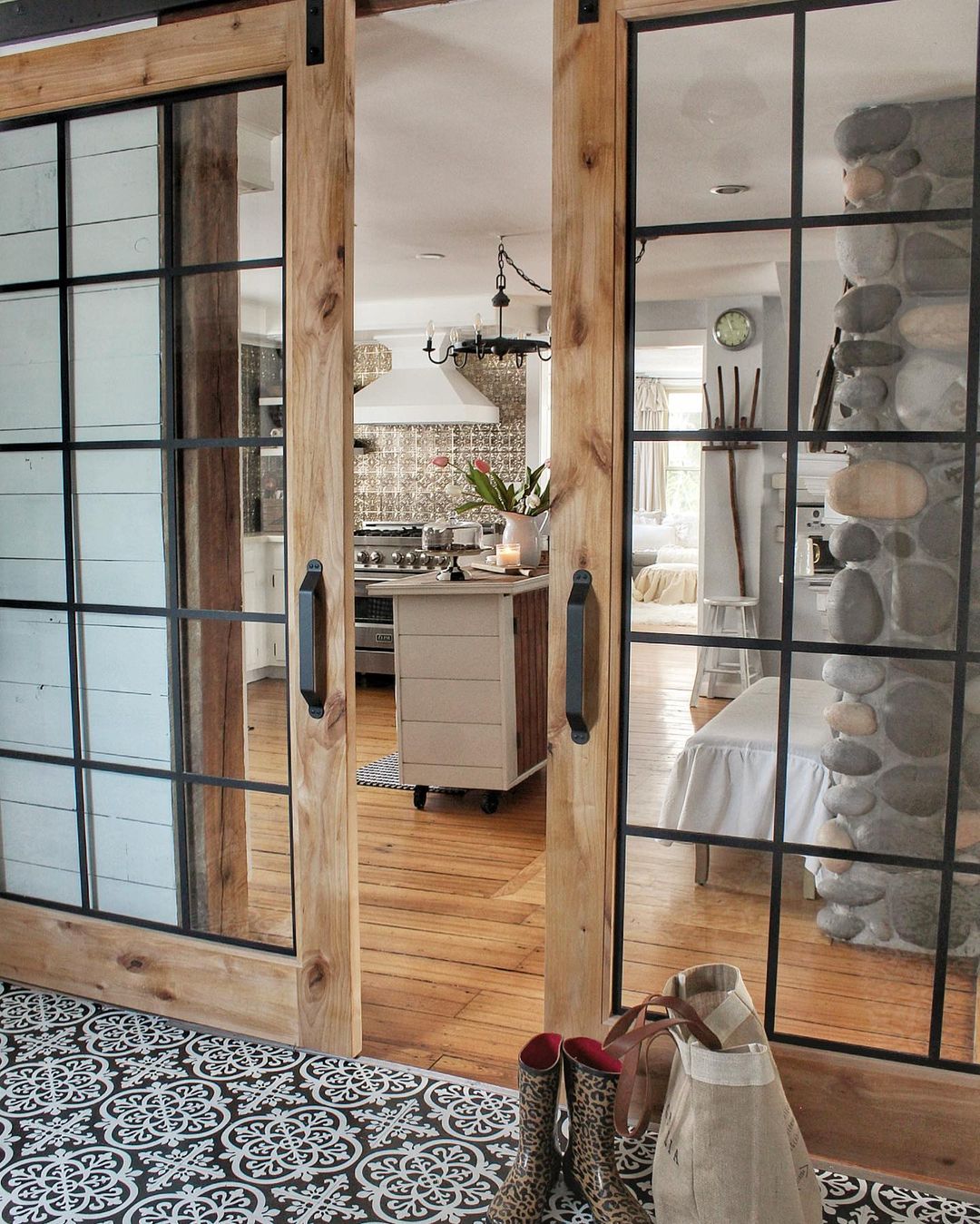
Farmhouse design prioritizes warmth and comfort.
Key Traits:
- Shiplap walls
- Rustic wood furniture
- Neutral tones with black accents
- Vintage-inspired decor
- Large communal dining tables
Modern farmhouse softens rustic details with cleaner lines.
Bohemian (Boho) Style
Boho interiors are expressive and layered.
What Defines Boho:
- Rich textures
- Global patterns
- Plants and greenery
- Mixed vintage pieces
- Earthy tones
There’s freedom in boho design—it’s personal, artistic, and slightly imperfect.
Mid-Century Modern Style
Originating in the 1950s and 1960s, mid-century modern design remains highly popular.
Identifying Features:
- Tapered legs
- Organic shapes
- Bold accent colors
- Functional layouts
Its appeal lies in its simplicity combined with personality.
Coastal Style
Coastal interiors capture breezy seaside living.
Core Elements:
- Light blues and sandy neutrals
- Natural fibers like rattan
- Sheer curtains
- Driftwood accents
The mood is relaxed and refreshing.
Eclectic Style
Eclectic design intentionally mixes different styles.
Done Right:
- Unified color palette
- Balance in scale
- Repetition of textures
- Statement focal points
Without cohesion, eclectic spaces can look chaotic. Balance is everything.
Luxury & Glam Style
Luxury interiors emphasize opulence and detail.
Characteristics:
- Marble surfaces
- Velvet upholstery
- Metallic finishes (gold, brass)
- Dramatic lighting
- Layered textures
It’s bold, glamorous, and unapologetically sophisticated.
How to Choose the Right Styles of Interior Design for Your Home
Choosing among various styles of interior design can feel overwhelming. Here’s a practical framework:
- Assess your lifestyle.
- Evaluate your home’s architecture.
- Identify colors you naturally gravitate toward.
- Start with one room.
- Create a mood board.
Interestingly, interior designers often suggest blending two complementary styles—for example, Scandinavian and modern—to create depth without confusion.
Quick Comparison Table
| Style | Best For | Mood | Maintenance Level |
|---|---|---|---|
| Modern | Clean layouts | Calm | Low |
| Boho | Creative spaces | Vibrant | Medium |
| Farmhouse | Family homes | Cozy | Medium |
| Minimalist | Small spaces | Peaceful | Low |
| Luxury | Statement homes | Dramatic | High |
When selecting among styles of interior design, trust your instincts—but also consider practicality.
Frequently Asked Questions
What are the most popular styles of interior design today?
Modern, contemporary, Scandinavian, farmhouse, and mid-century modern are currently leading trends.
Can I mix different styles of interior design?
Yes—but maintain a consistent color palette and balance proportions.
Which style works best for small apartments?
Minimalist and Scandinavian styles are ideal because they maximize light and space.
How do I know my interior design style?
Look at saved inspiration images and identify common patterns—colors, shapes, and materials.
Is modern the same as contemporary?
No. Modern refers to a specific historical movement; contemporary reflects current trends.
Are luxury interiors always expensive?
Not necessarily. Strategic use of textures and lighting can create a luxurious feel without extreme costs.
How often do interior design trends change?
Major shifts happen every 5–10 years, but micro-trends evolve annually.
Should I hire an interior designer?
If your budget allows, professional insight can prevent costly mistakes and improve functionality.
Conclusion
Your home should feel like a sanctuary—not a showroom. The best styles of interior design are the ones that align with your personality, routines, and emotional needs.
Some people thrive in minimalist calm. Others crave the vibrancy of bohemian layers or the warmth of farmhouse charm. There’s no universally “right” answer—only what feels authentic.
When thoughtfully applied, these styles of interior design transform spaces from ordinary rooms into meaningful environments. Start small. Experiment. Pay attention to how a space makes you feel. Because ultimately, great design isn’t about perfection—it’s about connection.