Introduction
There’s something instantly calming about greenery in a home—the way it softens corners, adds warmth, and makes a space feel alive. But in reality, not everyone has the time, light, or patience to care for real plants. That’s where artificial plants for home decor have quietly transformed modern interiors.
Today’s faux greenery is nothing like the plastic-looking plants many of us remember from years ago. With advanced materials, realistic textures, and thoughtful design, artificial plants now blend seamlessly into stylish homes, apartments, and offices. In fact, many guests can’t tell the difference unless they touch them.
More importantly, artificial plants solve a real problem. They offer the beauty of nature without the stress of watering schedules, sunlight requirements, or replacing dead leaves. Whether you live in a small apartment, travel frequently, or simply want effortless decor, they’ve become a practical and surprisingly elegant solution.


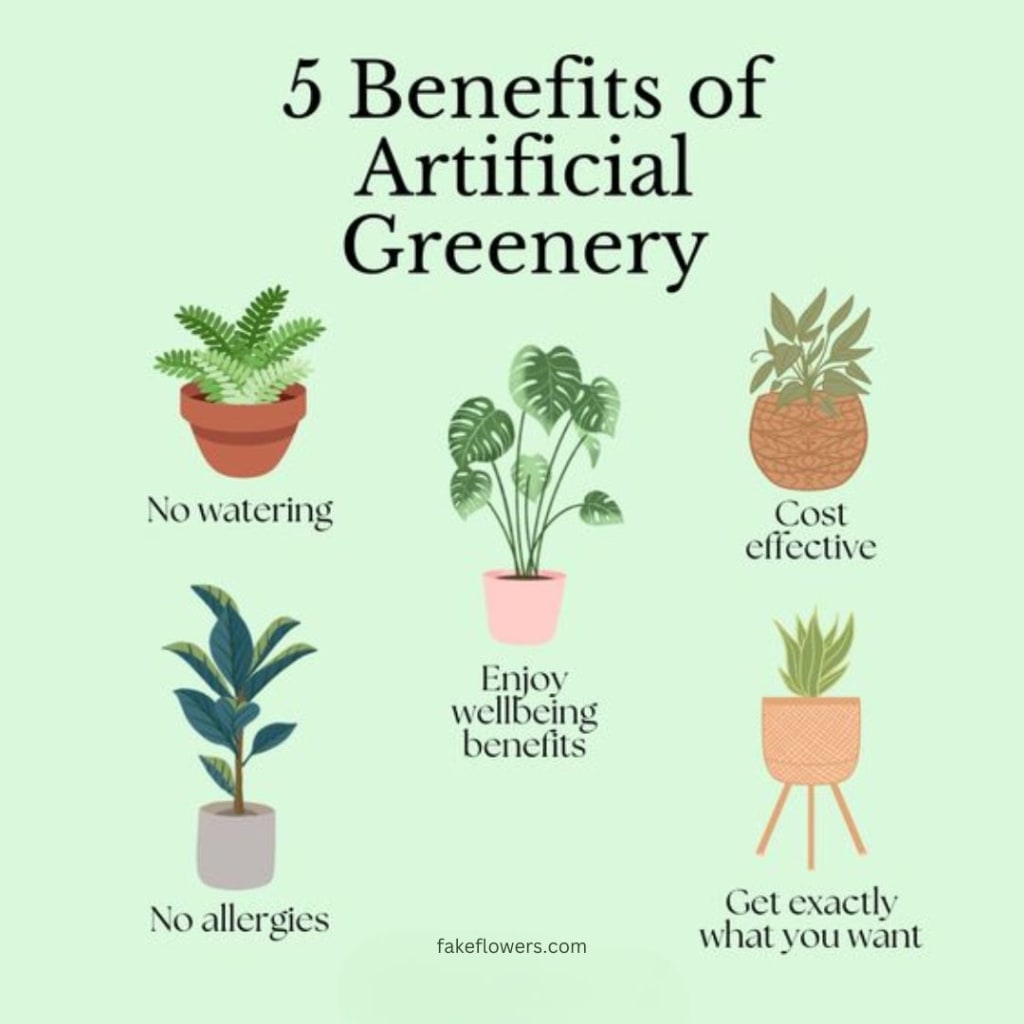
Table of Contents
- Why Artificial Plants Are Popular in Modern Home Decor
- What Makes Artificial Plants Look Real?
- Benefits of Artificial Plants for Home Decor
- Types of Artificial Plants for Different Spaces
- How to Style Artificial Plants Like a Designer
- Choosing the Right Artificial Plants for Your Home
- Maintenance and Cleaning Tips
- Sustainability and Environmental Considerations
- Frequently Asked Questions About Artificial Plants
- Conclusion
Why Artificial Plants Are Popular in Modern Home Decor
Artificial plants have become mainstream for a simple reason: modern lifestyles demand convenience without sacrificing aesthetics. People want homes that feel warm and welcoming, but they also want decor that fits into busy routines.
A Shift in Lifestyle Needs
In urban homes, natural light can be limited. Many apartments face directions where sunlight barely enters, making real plants difficult to maintain. Artificial greenery removes that barrier entirely.
Additionally, homeowners today often redesign or refresh interiors more frequently. Faux plants can be moved, restyled, or repurposed without worrying about plant shock or soil mess.
Design Trends Supporting Faux Greenery
Interior designers increasingly use artificial plants in:
- Minimalist homes where clean lines matter
- Rental apartments where low maintenance is essential
- Commercial spaces like cafes, salons, and offices
The rise of biophilic design—bringing nature-inspired elements indoors—has also boosted the popularity of artificial plants for home decor as a flexible alternative to living greenery.
What Makes Artificial Plants Look Real?
Not all artificial plants are created equal. The realism you see in high-quality pieces comes from thoughtful materials and design details.
Materials Used in Realistic Artificial Plants
Modern faux plants often use:
- Silk or polyester blends for soft, flexible leaves
- Latex coatings to mimic the slight shine and texture of real foliage
- Plastic stems with natural color variation rather than flat green tones
These details create depth, movement, and a lifelike appearance that feels natural from a distance—and even up close.
Attention to Color and Imperfection
Real plants are imperfect. The best artificial versions replicate this by including:
- Slight color gradients
- Veins on leaves
- Natural-looking bends and asymmetry
Ironically, it’s these “flaws” that make artificial plants look convincingly real in home decor settings.
Benefits of Artificial Plants for Home Decor
The appeal of artificial greenery goes beyond appearance. There are practical benefits that make them a smart long-term decor investment.
Zero Maintenance, Maximum Impact
Artificial plants don’t require:
- Watering
- Sunlight
- Fertilizers
- Pruning
This makes them ideal for people with allergies, frequent travelers, or anyone who wants stress-free decor.
Long-Lasting Beauty
Unlike real plants that can wilt or die, faux plants maintain their shape and color year-round. A well-made artificial plant can look new for years with minimal care.
Versatility Across Rooms
You can place artificial plants in:
- Bathrooms with no windows
- Dark hallways
- Shelves and wall niches
- High spots where watering would be impractical
This flexibility is one reason artificial plants for home decor are now considered a design essential rather than a compromise.
Types of Artificial Plants for Different Spaces
Choosing the right type of artificial plant depends on the room and the mood you want to create.
Artificial Plants for Living Rooms
Living rooms benefit from statement greenery such as:
- Tall artificial fiddle leaf figs
- Faux palms or monstera plants
- Artificial trees in decorative planters
These pieces anchor the space and add visual height without overwhelming the room.
Artificial Plants for Bedrooms
In bedrooms, softer greenery works best:
- Small faux plants on nightstands
- Hanging artificial vines
- Artificial eucalyptus or lavender stems
These add a calming, natural feel without introducing allergens or maintenance tasks.
Artificial Plants for Kitchens and Bathrooms
Kitchens and bathrooms often lack consistent light and humidity balance. Artificial plants thrive here:
- Faux herbs on kitchen shelves
- Artificial succulents near sinks
- Hanging greenery in bathrooms
They add freshness where real plants often struggle.
How to Style Artificial Plants Like a Designer
Styling makes all the difference. Poorly placed faux plants can feel obvious, while well-styled ones elevate the entire room.
Use the Right Planters
Avoid lightweight plastic pots. Instead, choose:
- Ceramic planters
- Concrete or stone containers
- Woven baskets
Heavy, textured planters ground the plant visually and make it look more realistic.
Mix Artificial with Natural Elements
One professional trick is to blend artificial plants with real materials:
- Wooden furniture
- Linen fabrics
- Natural stone surfaces
This contrast helps artificial greenery feel intentional rather than artificial.
Avoid Overcrowding
Less is more. One well-placed artificial plant often has more impact than several smaller ones scattered randomly.
Use artificial plants for home decor as focal points, not fillers.
Choosing the Right Artificial Plants for Your Home
Before buying, consider a few practical factors that influence how natural the plant will look in your space.
Size and Scale Matter
A small plant in a large room can feel lost, while an oversized one in a tight corner may overwhelm the space. Measure before buying and visualize how it fits into your layout.
Match the Style of Your Home
- Modern homes suit clean, structured plants
- Bohemian interiors pair well with trailing vines
- Classic spaces benefit from symmetrical artificial trees
Choosing the right style ensures the plant feels like part of the design story.
Maintenance and Cleaning Tips
While artificial plants are low maintenance, they’re not maintenance-free.
Regular Dusting
Dust can dull the color of faux leaves. Lightly dust them every few weeks using:
- A microfiber cloth
- A soft brush
- Compressed air for delicate areas
Occasional Deep Cleaning
Every few months, gently wipe leaves with a damp cloth. Avoid harsh chemicals, as they can damage finishes.
With minimal effort, artificial plants for home decor can look fresh and vibrant year-round.
Sustainability and Environmental Considerations
A common concern is whether artificial plants are eco-friendly. The answer is nuanced.
High-quality artificial plants last for years, reducing the need for frequent replacement. In contrast, real plants often die and need replacing, especially indoors.
That said, choosing durable, well-made faux plants—and keeping them long-term—reduces waste and makes them a more sustainable decor choice over time.
Frequently Asked Questions About Artificial Plants
FAQs
Are artificial plants suitable for every room?
Yes. Artificial plants work well in living rooms, bedrooms, kitchens, bathrooms, and even windowless spaces.
Do artificial plants look fake up close?
High-quality artificial plants are designed with realistic textures and color variations, making them difficult to distinguish from real plants.
How long do artificial plants last?
With basic care, artificial plants can last 5–10 years or more without fading or losing shape.
Can artificial plants trigger allergies?
No. Since they don’t produce pollen or mold, artificial plants are allergy-friendly.
Are artificial plants safe around pets?
Most are safe, but it’s best to place them where pets can’t chew on leaves or knock them over.
Can artificial plants fade over time?
Cheaper plants may fade, especially in direct sunlight. Premium artificial plants are UV-resistant and maintain color longer.
How do I make artificial plants look more realistic?
Use quality planters, avoid overcrowding, and gently bend stems and leaves into natural positions.
Conclusion
Artificial greenery has evolved into a design-forward solution that balances beauty with practicality. With realistic textures, thoughtful styling, and endless versatility, artificial plants for home decor offer a way to enjoy nature-inspired interiors without the responsibilities of real plants.
When chosen carefully and styled intentionally, they don’t just decorate a space—they enhance how it feels to live in it. Whether you’re refreshing a single corner or reimagining an entire home, artificial plants can quietly transform your space into something calmer, warmer, and effortlessly stylish.