If you’ve ever walked into a beautifully designed home and thought, “Why doesn’t my place feel like this?” — you’re not alone. The truth is, great design isn’t about expensive furniture or magazine-worthy perfection. It’s about smart choices, thoughtful balance, and a little creativity. The best interior design tips aren’t secrets reserved for professionals—they’re practical ideas anyone can apply.
In reality, how your home looks directly affects how you feel. Studies show that well-designed spaces can improve mood, productivity, and even sleep quality. Whether you live in a compact apartment or a spacious house, the right interior design tips can turn clutter into calm and chaos into comfort.


Design isn’t about following trends blindly. It’s about understanding space planning, color psychology, lighting layers, texture contrast, and flow. And once you understand those fundamentals, decorating becomes less overwhelming and far more enjoyable.
Let’s break it down step by step.
Table of Contents
The Foundation of Interior Design
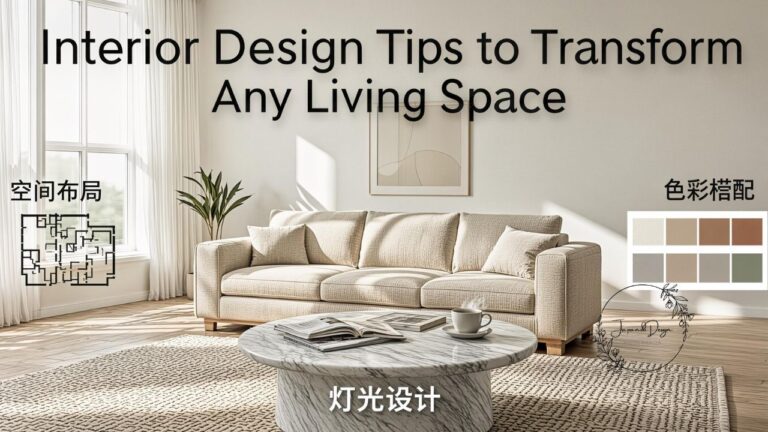
Space Planning: The Secret Behind Great Layouts
Color Psychology and Smart Palette Selection
Furniture Placement Strategies That Work
Lighting Layers That Transform a Room
Textures, Patterns, and Visual Depth
Small Space Interior Design Tips
Budget-Friendly Interior Design Tips
Personal Background & Career Path in Interior Design
Frequently Asked Questions
Conclusion
The Foundation of Interior Design
Before diving into trendy décor pieces or bold paint colors, you need to understand what makes a space feel balanced. Interior design is the art and science of enhancing interiors to achieve a healthier and more aesthetically pleasing environment.
At its core, design revolves around seven key principles:
- Balance
- Contrast
- Emphasis
- Scale and proportion
- Rhythm
- Harmony
- Unity
When applying <strong>interior design tips</strong>, these principles should guide every decision. For example, balance can be symmetrical (matching sofas) or asymmetrical (different chairs that visually weigh the same). Harmony ensures that colors and materials feel cohesive rather than chaotic.
Space Planning: The Secret Behind Great Layouts
Many people assume decorating starts with buying furniture. In reality, it starts with space planning.
Understanding Traffic Flow
A well-designed room allows easy movement. Ideally:
- Leave 24–36 inches for walkways
- Keep furniture from blocking doorways
- Avoid overcrowding small areas
When following professional interior design tips, always measure before purchasing. One wrong-sized sofa can disrupt an entire layout.
Zoning Open Spaces
Open-plan homes require subtle zoning:
- Rugs define seating areas
- Pendant lights mark dining zones
- Console tables create visual boundaries
Smart zoning improves functionality without building walls.
Color Psychology and Smart Palette Selection
Color impacts emotion more than most people realize. Blue tones promote calmness. Warm neutrals create comfort. Deep greens feel grounding and sophisticated.
How to Choose the Right Palette
A simple formula many designers use:
- 60% dominant color (walls)
- 30% secondary color (furniture)
- 10% accent color (decor)
These classic interior design tips prevent overwhelming contrasts.
Trending Yet Timeless Colors
While trends change yearly, timeless colors like warm beige, soft gray, muted sage, and off-white remain reliable. On the other hand, bold jewel tones can add drama when used strategically.
Furniture Placement Strategies That Work
Furniture isn’t just decoration—it defines how a room functions.
Anchor Pieces First
Start with the largest item:
- Sofa in living room
- Bed in bedroom
- Dining table in dining space
Build around that anchor.
Avoid Pushing Everything Against the Walls
Contrary to popular belief, pulling furniture slightly inward can make rooms feel more intimate and intentional.
Among the most practical interior design tips is ensuring every seat has access to a surface (side table or coffee table). Function always beats form.
Lighting Layers That Transform a Room
Lighting can make or break your space.
There are three essential types:
- Ambient lighting (overhead lights)
- Task lighting (desk lamps, under-cabinet lights)
- Accent lighting (wall sconces, LED strips)
Layering these creates warmth and depth. A single ceiling light often feels flat and uninviting.
Natural Light Optimization
- Use sheer curtains
- Add mirrors to reflect daylight
- Keep window areas uncluttered
Interior design tips often emphasize lighting because it instantly elevates even modest décor.
Textures, Patterns, and Visual Depth
Flat rooms feel lifeless. Texture brings dimension.
Examples:
- Linen curtains
- Velvet cushions
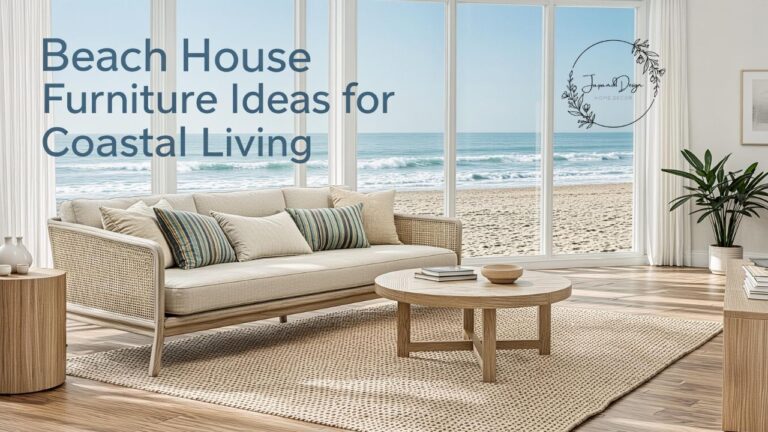
- Wooden coffee tables
- Woven rugs
Mixing textures—smooth with rough, matte with glossy—adds interest without extra clutter.
Patterns should complement, not compete. If your sofa has bold prints, keep cushions subtle.
Small Space Interior Design Tips
Decorating a compact home requires creativity.
Use Vertical Space
Install:
- Floating shelves
- Tall bookcases
- Wall-mounted storage
Choose Multi-Functional Furniture
- Storage ottomans
- Foldable desks
- Sofa beds
These interior design tips maximize space without sacrificing style.
Light Colors Create Illusion
Soft whites and light neutrals reflect more light, making rooms appear larger.
Budget-Friendly Interior Design Tips
You don’t need luxury budgets for a stylish home.
Rearrange Before You Buy
Sometimes shifting furniture completely changes a room’s energy.
DIY Accent Walls
Paint, peel-and-stick wallpaper, or even textured panels create focal points affordably.
Invest Where It Matters
Spend on:
- Mattress
- Sofa
- Quality lighting
Save on:
- Decorative accessories
- Trend-based items
Strategic spending is one of the smartest interior design tips homeowners overlook.
Personal Background & Career Path in Interior Design
Interior design has evolved dramatically over the last century. Influential designers like Kelly Wearstler and Nate Berkus transformed the industry by blending luxury with livability.
Career Journey
Most professional designers:
- Study architecture or design
- Work under established firms
- Build portfolios
- Launch independent studios
Achievements & Industry Growth
The global interior design market is projected to surpass $250 billion within this decade. Designers not only shape homes but commercial environments, hospitality spaces, and even digital 3D interiors.
Financial Insights
Successful interior designers can earn between $60,000 to over $200,000 annually depending on experience and clientele. High-end celebrity designers often build multimillion-dollar brands.
Frequently Asked Questions
What are the most important interior design tips for beginners?
Start with layout, lighting, and color coordination. Avoid buying décor before planning your space.
How often should I update my home design?
Small updates yearly, major renovations every 5–10 years depending on wear and trends.
Are neutral colors always better?
Not necessarily. Neutrals are versatile, but bold accents add personality.
Can I design my home without hiring a professional?
Yes. With research and planning, many homeowners successfully apply interior design tips independently.
What makes a room look expensive?
Layered lighting, cohesive color palettes, quality fabrics, and clutter-free styling.
How do I decorate a rental space?
Use removable wallpaper, rugs, art, and lighting fixtures that don’t require structural changes.
Is minimalism still trending?
Yes, but warmer minimalism with textures and earthy tones is replacing cold stark designs.
What’s the biggest design mistake?
Ignoring scale and proportion—oversized furniture in small rooms disrupts harmony.
Conclusion
Designing your home isn’t about copying Pinterest boards or chasing fleeting trends. It’s about creating a space that feels like you—functional, comforting, and expressive. The right interior design tips empower you to make intentional choices, whether you’re refreshing a single room or redesigning an entire home.
Remember, good design tells a story. It reflects your lifestyle, your memories, and your future. Start small. Adjust thoughtfully. And most importantly, design a space that makes you genuinely happy every time you walk through the door.