Introduction
Interior spaces are no longer just about looking good—they’re about how they make us feel. The way we design our homes now reflects our emotions, values, and even how we experience daily life. That’s why interior design trends have become more meaningful, personal, and human-centered than ever before.
In reality, today’s homes must work harder than they did a decade ago. They need to support remote work, mental well-being, family connection, and moments of escape—all within the same four walls. Naturally, this shift has reshaped how designers and homeowners think about space, color, texture, and function.
Whether you’re planning a full renovation or simply refreshing a room, understanding current interior movements helps you make smarter, longer-lasting choices. These trends aren’t fleeting fads—they’re responses to how we live now.
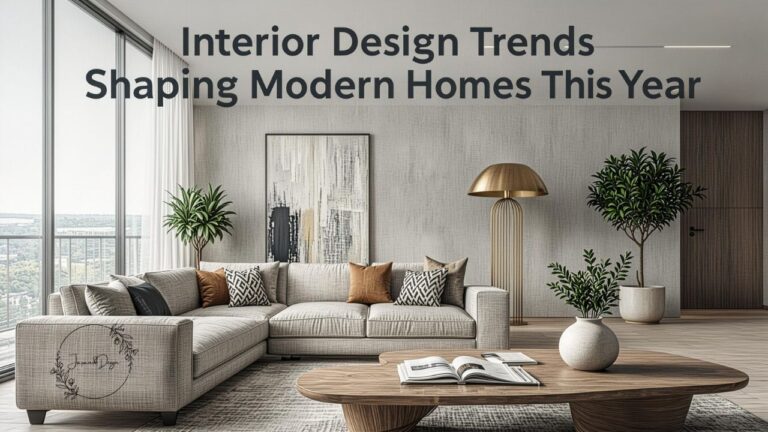
In this guide, we’ll explore the most influential interior design trends shaping modern homes, why they matter, and how you can adapt them without sacrificing comfort or personality.
Table of Contents
- Interior design trends redefining modern living
- Sustainability as a design philosophy
- The rise of warm minimalism
- Nature-inspired interiors and biophilic design
- Color trends influencing interior design trends
- Smart homes meet stylish interiors
- Multifunctional spaces and flexible layouts
- Textures, materials, and tactile comfort
- Personalization and storytelling in interiors
- Common mistakes to avoid with interior design trends
- FAQs
- Conclusion
Interior Design Trends Redefining Modern Living
Interior design today is no longer about copying catalog layouts. Instead, it’s about designing spaces that align with real human behavior. Modern interior design trends prioritize comfort, longevity, and emotional connection over visual perfection.
Homes are becoming softer, warmer, and more intentional. Clean lines still matter, but harsh minimalism is fading. Instead, designers are blending function with feeling—creating rooms that look curated but lived-in.
Several global factors have influenced this shift:
- Increased time spent at home
- Growing focus on mental wellness
- Environmental awareness
- Demand for flexible living spaces
These changes explain why trends now evolve around people, not just aesthetics.
Sustainability as a Design Philosophy
What Sustainable Interior Design Really Means
Sustainability in interior design goes far beyond recycled materials. It’s about creating spaces that age gracefully, reduce waste, and promote healthier living environments.
Modern interior design trends embrace sustainability through:
- Natural, renewable materials
- Locally sourced furnishings
- Low-VOC paints and finishes
- Durable designs that reduce replacement cycles
Rather than disposable decor, homeowners are investing in fewer, better pieces.
Why Sustainability Is Driving Interior Design Trends
That said, sustainability isn’t just ethical—it’s practical. Natural materials tend to last longer and feel better to live with. Wood develops character. Stone gains patina. Linen softens with age.
Sustainable interiors also improve indoor air quality and reduce long-term costs, making them an intelligent design decision, not just a moral one.
The Rise of Warm Minimalism
Moving Beyond Cold Minimalism
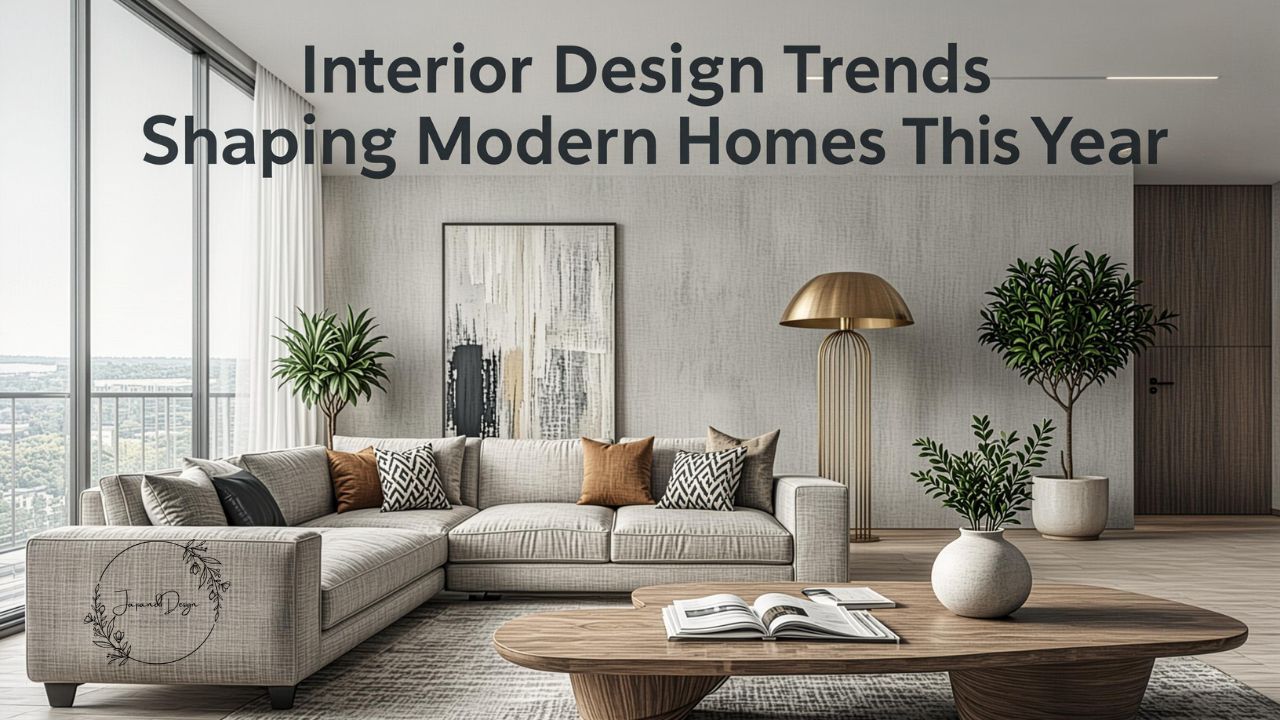
Minimalism hasn’t disappeared—it’s evolved. Stark whites and sterile spaces are being replaced by warmth, texture, and subtle color variation.
Warm minimalism is one of the most influential interior design trends today. It focuses on:
- Soft neutral palettes
- Organic shapes
- Natural textures
- Thoughtful negative space
This approach keeps rooms calm without feeling empty.
How to Apply Warm Minimalism at Home
You don’t need to strip your home bare. Instead:
- Choose warm whites or beige tones
- Layer materials like wood, wool, and clay
- Use simple furniture with rounded edges
- Keep decor intentional, not excessive
The result feels serene, not sparse.


Nature-Inspired Interiors and Biophilic Design
Understanding Biophilic Design
Biophilic design reconnects interiors with nature. It’s based on the idea that humans thrive when surrounded by natural elements—even indoors.
This movement has become central to modern interior design trends, especially in urban homes.
Key features include:
- Indoor plants
- Natural light optimization
- Organic materials
- Earth-inspired color palettes
Psychological Benefits of Nature-Focused Interiors
Studies show that nature-inspired interiors can:
- Reduce stress levels
- Improve focus and productivity
- Enhance mood and sleep quality
In reality, even small touches—like a wooden table or leafy plant—can significantly change how a room feels.
Color Trends Influencing Interior Design Trends
Warm Neutrals Over Stark Whites
Pure white interiors are giving way to softer tones. Beige, greige, taupe, clay, and muted browns are dominating modern palettes.
These colors:
- Add depth without overwhelming
- Complement natural materials
- Feel timeless rather than trendy
Earthy and Emotional Accent Colors
Alongside neutrals, emotional hues are rising:
- Olive green for calm
- Terracotta for warmth
- Deep blue for grounding
- Muted blush for softness
When used intentionally, color becomes a storytelling tool rather than decoration.


Smart Homes Meet Stylish Interiors
Technology Without Visual Clutter
Smart technology has become essential—but visible gadgets disrupt aesthetics. That’s why one of the most practical interior design trends is invisible tech integration.
Designers now conceal:
- Smart lighting controls
- Speakers
- Charging stations
- Climate systems
Function exists without dominating the space.
Designing for Digital Comfort
Smart interiors enhance comfort through:
- Automated lighting for mood control
- Temperature zoning
- Voice-controlled systems
- Energy-efficient monitoring
When technology blends seamlessly, homes feel intuitive rather than mechanical.
Multifunctional Spaces and Flexible Layouts
Why Flexibility Is a Modern Necessity
Homes now serve multiple roles—office, retreat, gym, and social space. Rigid layouts no longer work.
Flexible design has become a defining element of interior design trends because it adapts to changing needs.
Smart Solutions for Small and Large Homes
Popular strategies include:
- Modular furniture
- Sliding partitions
- Fold-away desks
- Dual-purpose rooms
This approach maximizes space without compromising comfort.
Textures, Materials, and Tactile Comfort
The Return of Sensory Design
Visual appeal alone isn’t enough. Modern interiors focus on how spaces feel to touch, walk through, and live in.
Trending textures include:
- Linen and boucle upholstery
- Natural wood grains
- Stone and clay finishes
- Woven rugs and textiles
These materials invite interaction, not just admiration.
Layering for Depth and Warmth
Layering textures creates richness without clutter. For example:
- Smooth walls paired with textured furniture
- Soft fabrics against hard surfaces
- Matte finishes balanced with subtle shine
The contrast adds visual interest and emotional comfort.


Personalization and Storytelling in Interiors
Homes That Reflect Real People
Cookie-cutter interiors feel empty. Personalization is now one of the strongest interior design movements.
Modern interior design trends encourage:
- Displaying meaningful objects
- Mixing old and new pieces
- Showcasing personal art or travel finds
Your home should tell your story, not a showroom’s.
Emotional Design Over Perfection
That said, imperfections add soul. A worn chair, a handmade bowl, or an inherited table often holds more value than flawless decor.
Designers now prioritize authenticity over symmetry.
Common Mistakes to Avoid With Interior Design Trends
Even the best trends can fail if misused. Common mistakes include:
- Blindly copying social media designs
- Overusing one trend in every room
- Ignoring natural light and layout
- Choosing aesthetics over comfort
Trends should inspire—not dictate—your design decisions.
FAQs
Frequently Asked Questions
What are the most popular interior design trends right now?
The most popular interior design trends include warm minimalism, sustainable materials, biophilic design, earthy color palettes, and multifunctional spaces.
How long do interior design trends usually last?
Most interior design trends evolve over 5–10 years. Timeless trends focus on materials, comfort, and function rather than bold visuals.
Are interior design trends expensive to follow?
Not necessarily. Many trends emphasize simplicity, reuse, and quality over quantity, which can reduce long-term costs.
Can I mix multiple interior design trends?
Yes, mixing trends works well when done intentionally. The key is balance and maintaining a consistent color or material palette.
How do I choose the right interior design trend for my home?
Start with your lifestyle, space size, and natural light. Trends should support how you live, not just how your home looks.
Do interior design trends apply to small homes?
Absolutely. Many modern interior design trends focus on space efficiency, flexibility, and visual openness—ideal for smaller homes.
Is minimalist design still relevant?
Yes, but it has evolved into warmer, more livable forms that prioritize comfort and texture.
Conclusion
Interior design today is about more than aesthetics—it’s about creating spaces that support real life. The most successful interior design trends balance beauty with function, sustainability with comfort, and style with personality.
Rather than chasing every new idea, focus on trends that resonate with how you live and what makes you feel at home. When design choices align with human needs, interiors don’t just look good—they feel right.
A well-designed home isn’t trendy for a season. It grows with you, tells your story, and remains meaningful long after trends fade.