Introduction
The living room is more than just a place to sit. It is where long days unwind, conversations happen naturally, and the overall mood of a home is quietly set. In recent years, a calm and thoughtful design trend has taken center stage: the canapé japandi.
Blending Japanese restraint with Scandinavian warmth, this sofa style feels intentional rather than decorative. It focuses on balance, comfort, and simplicity without sacrificing beauty. Instead of loud statements, it offers quiet confidence.
This guide explores everything you need to know about the canapé japandi, from its philosophical roots to practical styling advice. Whether you are redesigning your space or choosing a long-term investment piece, this article will help you make an informed and confident choice.

Table of Contents
Origins and philosophy of Japandi style
What is a canapé japandi?
Materials used in Japandi sofas
Colors and textures that define Japandi
Why choose a canapé japandi
How to style a canapé japandi in your living room
Pairing Japandi sofas with other furniture
Common mistakes to avoid
Care, longevity, and sustainability
FAQ
Conclusion
Origins and philosophy of Japandi style

Japandi design is the result of a natural overlap between Japanese and Scandinavian philosophies. Both cultures value simplicity, craftsmanship, and a deep connection to nature. Where Japanese design emphasizes mindfulness and imperfection, Scandinavian interiors prioritize comfort and everyday functionality.
The canapé japandi reflects these shared values. It avoids excess and embraces purpose. Every line, material, and proportion is intentional. In a world full of visual noise, this approach feels refreshing and deeply human.
Rather than chasing trends, Japandi design focuses on timelessness. A well-made Japandi sofa is meant to age gracefully, both physically and aesthetically.
What is a canapé japandi?

A clear and practical definition
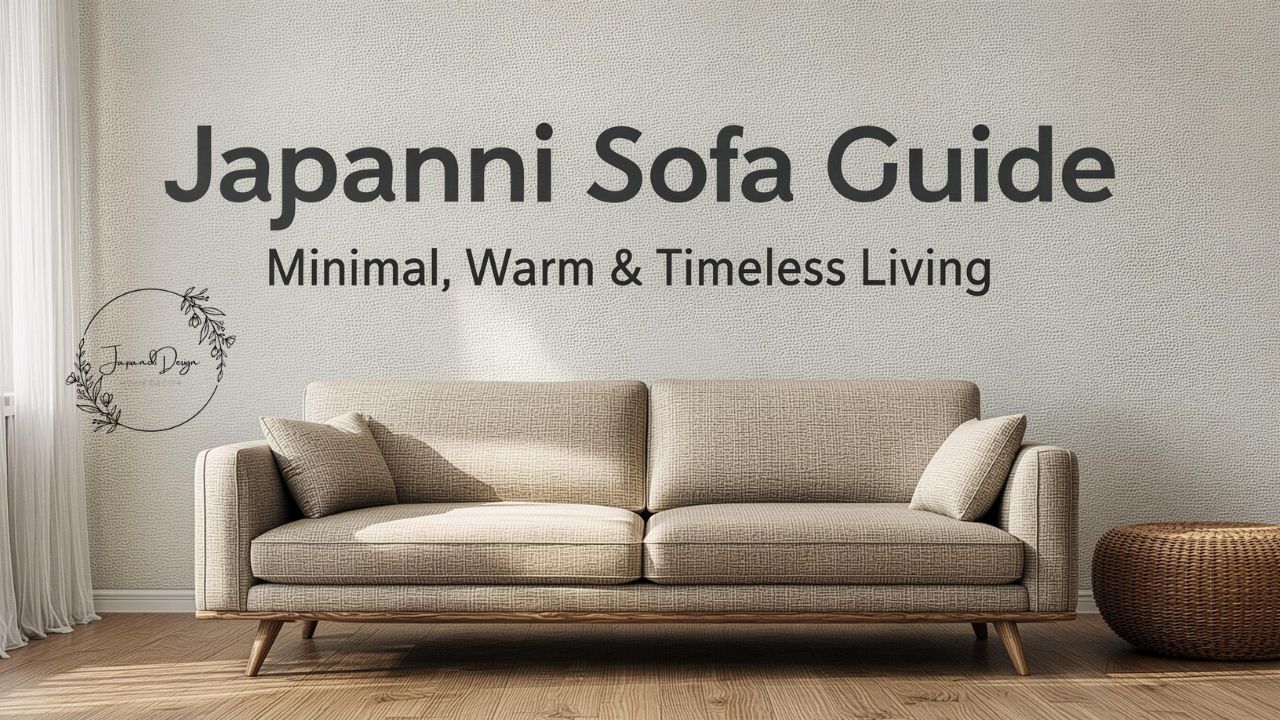
A canapé japandi is a minimalist sofa characterized by clean lines, low seating, natural materials, and neutral colors. It combines Japanese minimalism with Scandinavian comfort, resulting in a piece that feels calm, warm, and functional.
Unlike oversized modern sofas, Japandi sofas maintain visual lightness. Legs are often visible, frames are slim, and shapes are balanced rather than bulky.
How it differs from other sofa styles
Traditional Scandinavian sofas lean toward softness and coziness, sometimes at the cost of structure. Japanese-inspired seating can feel too rigid for everyday Western use. The canapé japandi sits perfectly in between, offering supportive comfort with refined simplicity.
Materials used in Japandi sofas
Natural wood foundations
Wood is essential in Japandi design. Common choices include oak, ash, beech, and light walnut. Finishes are matte or lightly oiled, never glossy. This enhances the organic feel and highlights the natural grain.
Breathable, natural fabrics
Japandi sofas are typically upholstered in:
- Linen for texture and authenticity
- Cotton blends for softness and durability
- Wool mixes for warmth and structure
These fabrics feel pleasant to the touch and age beautifully over time.
Comfort without excess
Seat cushions are usually medium-firm, offering support rather than sink-in softness. High-density foam, sometimes layered with natural latex, ensures longevity and everyday comfort.
Colors and textures that define Japandi
A soothing color palette
Japandi color schemes are inspired by nature. Popular shades include:
- Warm beige
- Soft greige
- Stone gray
- Off-white
- Muted olive
- Light brown
These tones create visual calm and make the canapé japandi easy to integrate into many interiors.
Subtle texture layering
Instead of bold contrasts, Japandi relies on gentle variation. A linen-upholstered sofa paired with smooth wood, a wool cushion, or a ceramic side table adds depth without clutter.

Why choose a canapé japandi
A positive effect on well-being
Research in environmental psychology shows that uncluttered spaces with natural colors can reduce stress and improve mental clarity. A living room centered around a canapé japandi naturally supports this sense of calm.
Timeless design value
Trendy sofas often look outdated within a few years. Japandi sofas are designed to last visually and structurally. Their simplicity allows them to adapt as your style evolves.
Versatility across interiors
Whether your home is modern, rustic, or eclectic, a canapé japandi fits effortlessly. It can stand alone as a focal point or blend quietly into a layered design.
How to style a canapé japandi in your living room

Placement matters
Allow the sofa space to breathe. Avoid pushing it against too many elements. Natural light enhances its textures and soft colors.
Lighting choices
Use warm, diffused lighting. Paper lamps, fabric shades, and wood-based fixtures complement Japandi aesthetics far better than harsh white lighting.
Thoughtful accessories
Keep accessories intentional:
- One or two linen cushions
- A neutral throw
- A low wooden or stone coffee table
Every item should feel useful or meaningful.
Pairing Japandi sofas with other furniture
Tables and storage
Choose low-profile furniture with clean silhouettes. Sideboards with hidden handles and open shelving work particularly well.
Rugs and curtains
Natural fiber rugs such as wool or jute anchor the space. Curtains should be light and breathable, allowing daylight to flow through.
Greenery and organic accents
Plants complete the Japandi look. A single statement plant or a small bonsai reinforces the connection to nature without overwhelming the space.
Common mistakes to avoid
Overdecorating
Japandi interiors rely on restraint. Too many decorative items disrupt the calm and defeat the purpose of the style.
Choosing synthetic materials
Glossy finishes, faux leather, or shiny fabrics clash with Japandi principles. Authentic materials always look and feel better in the long run.
Ignoring comfort
Minimal does not mean uncomfortable. Always test seating depth and cushion firmness. A canapé japandi should support daily living, not just aesthetics.
Care, longevity, and sustainability
Everyday maintenance
Vacuum weekly to keep dust from settling into natural fibers. Spot-clean stains gently using mild soap and lukewarm water.
Aging with character
Over time, wood deepens in tone and fabrics soften slightly. This natural aging adds personality rather than reducing appeal.
An eco-conscious choice
Many Japandi sofa manufacturers focus on sustainability, using certified wood, ethical production, and eco-friendly textiles. This makes the canapé japandi a responsible choice for conscious homeowners.
FAQ
What defines a canapé japandi?
It is defined by minimalist lines, natural materials, neutral colors, and a balance between Japanese and Scandinavian design principles.
Is a canapé japandi suitable for small spaces?
Yes, its light visual profile and balanced proportions make it ideal for compact living rooms.
Can a Japandi sofa work in a modern home?
Absolutely. Its simplicity pairs well with modern architecture and contemporary layouts.
What is the safest color choice for a Japandi sofa?
Warm beige, greige, or soft gray are timeless and easy to style.
Is Japandi furniture family-friendly?
Yes, especially when choosing durable fabrics and removable covers.
Are Japandi sofas expensive?
They can be mid to high-range in price, but their durability and timeless design offer strong long-term value.
Can I add accent colors?
Yes, but keep them muted and limited to maintain balance.
Where can I buy a quality canapé japandi?
Look for brands specializing in sustainable furniture or local craftsmen working with natural materials.
Conclusion
Choosing a canapé japandi is not just a design decision. It is a shift toward a calmer, more intentional way of living. With its natural materials, balanced proportions, and understated beauty, it transforms a living room into a space of comfort and clarity.
By focusing on quality over quantity and simplicity over excess, the canapé japandi becomes more than furniture. It becomes a quiet anchor in your home, offering warmth, harmony, and timeless elegance.