Introduction
There’s something transformative about the right window treatments—they don’t just cover a window; they shape the entire feel of a room. From cozy and intimate to bright and airy, your choice can subtly redefine your space.
Whether you’re updating a single room or refreshing your whole home, window treatments play a crucial role in privacy, light control, and design harmony. Yet, with so many options available, choosing the right one can feel overwhelming.
This guide will walk you through everything you need to know—from styles and materials to practical tips—so you can confidently choose window treatments that elevate your home and reflect your personality.
Understanding Window Treatments
What Are Window Treatments?
Window treatments refer to any covering or modification applied to windows to enhance privacy, control light, and improve aesthetics. They include both functional and decorative elements like curtains, blinds, shades, shutters, and drapes.
These treatments serve multiple purposes:
- Regulating sunlight
- Enhancing insulation
- Adding style and texture
- Ensuring privacy
Choosing the right type depends on your lifestyle, room function, and design goals.
Types of Window Treatments for Every Space
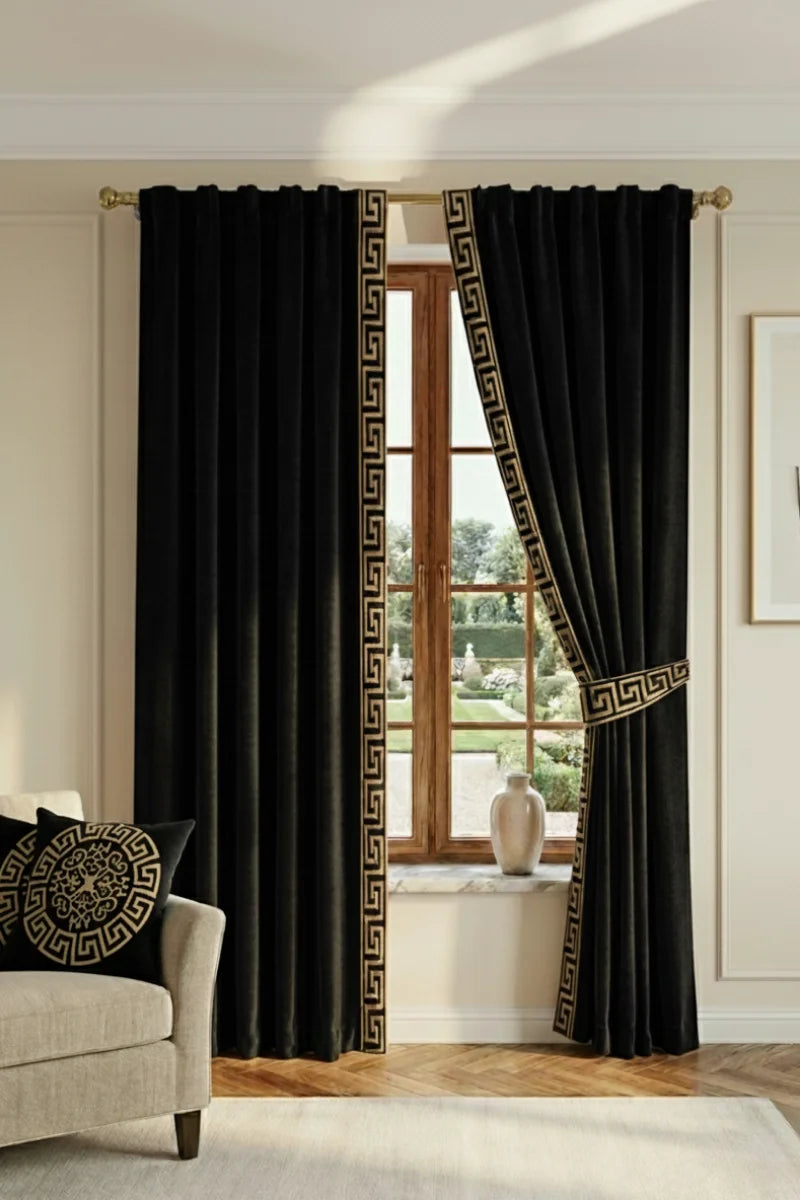
Curtains and Drapes
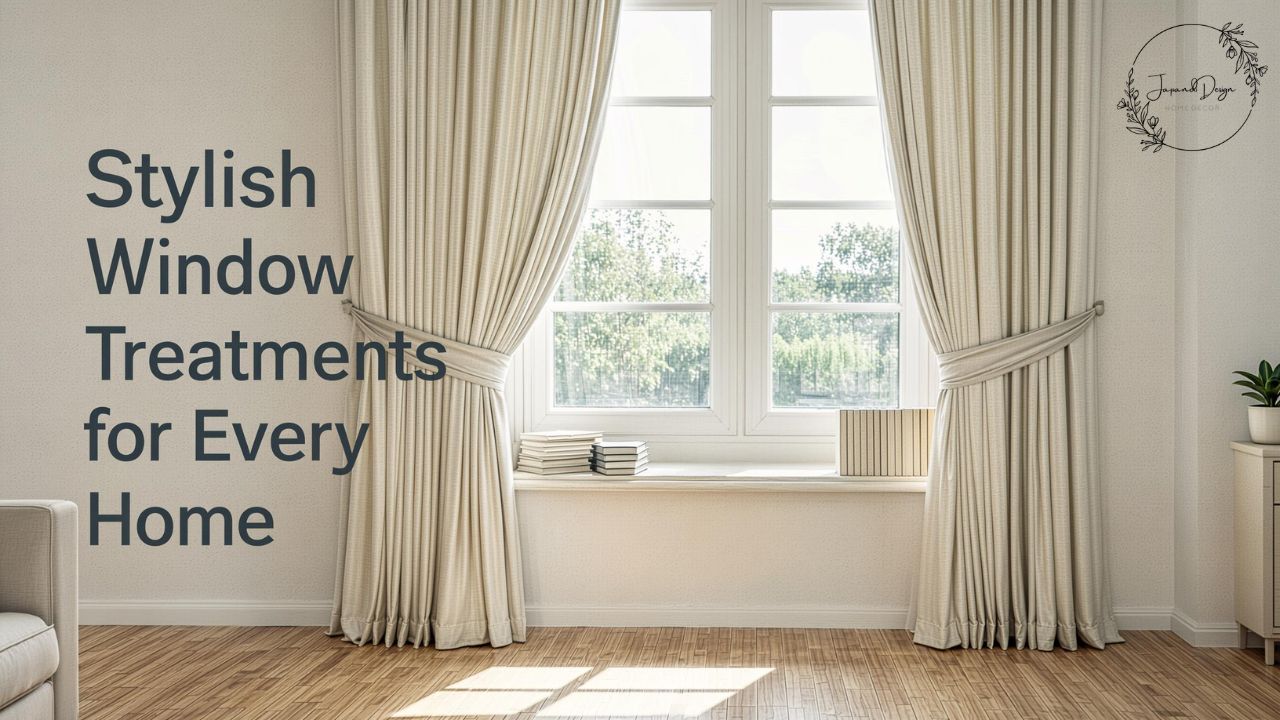
Curtains and drapes are among the most popular window treatments, known for their versatility and elegance. Curtains are typically lighter and more casual, while drapes are heavier and often lined for insulation and light blocking.
- Best for: Living rooms, bedrooms
- Benefits: Softens space, adds warmth, customizable fabrics
Blinds
Blinds are structured coverings made from slats that can be tilted for light control. They come in materials like wood, aluminum, and vinyl.
- Best for: Offices, kitchens
- Benefits: Precise light control, easy maintenance
Shades
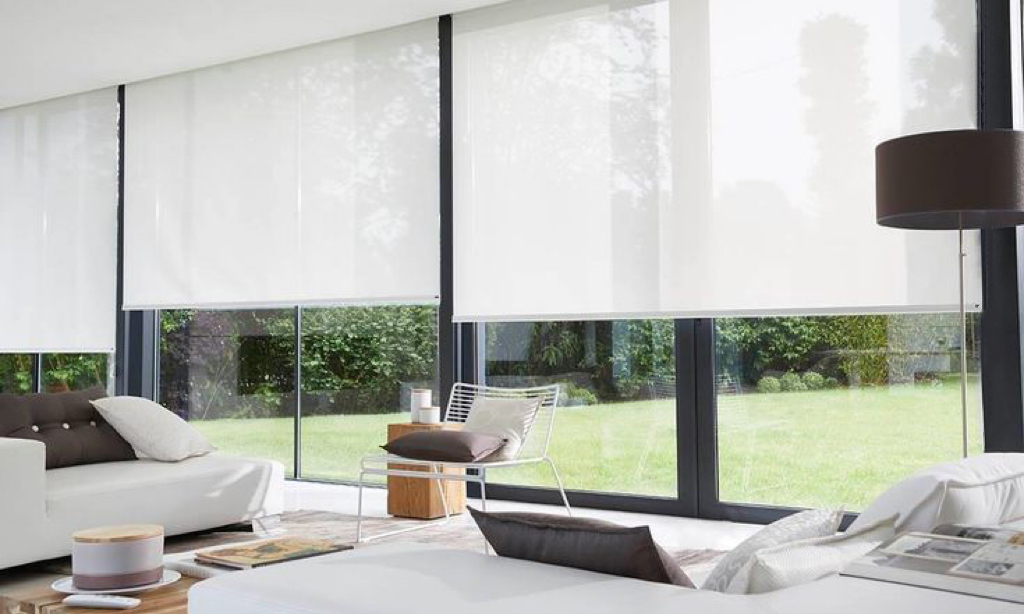
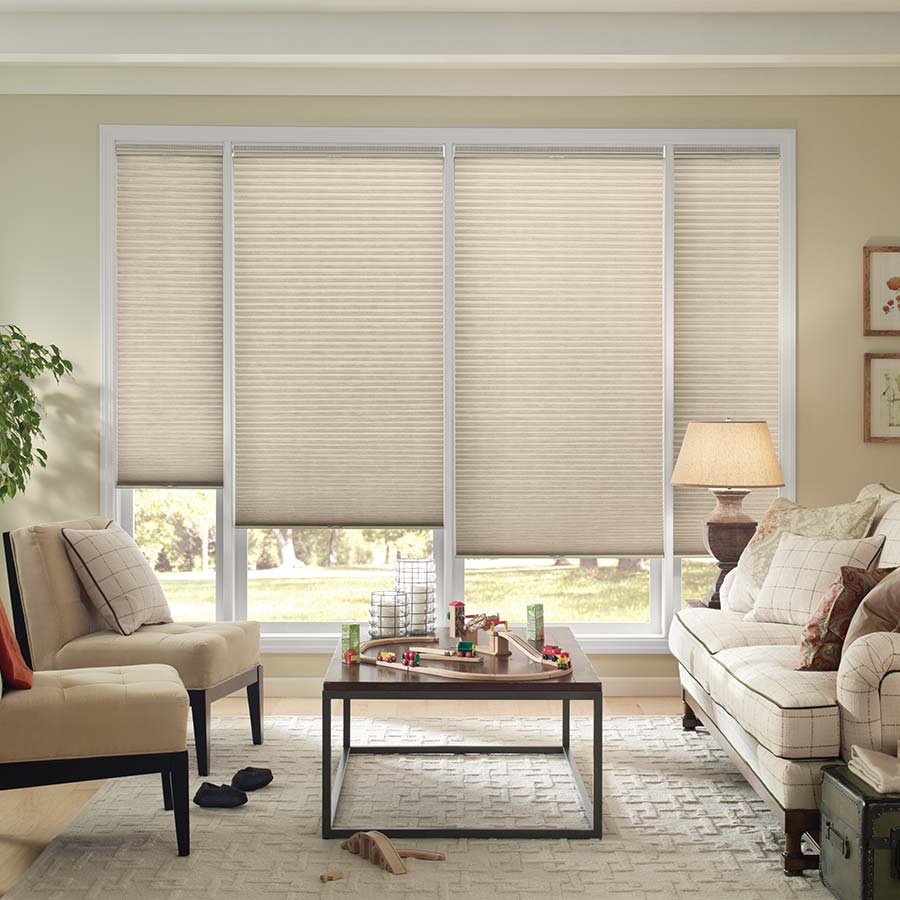
Shades are made from continuous fabric and offer a sleek, streamlined look. Popular types include roller shades, Roman shades, and cellular shades.
- Best for: Modern homes, small spaces
- Benefits: Clean look, energy efficiency
Choosing the Right Window Treatments for Your Home
Consider the Room Function
Different rooms have different needs. For example:
- Bedrooms benefit from blackout options for better sleep.
- Kitchens need moisture-resistant materials.
- Living rooms often prioritize style and light balance.
Think About Light Control
Ask yourself how much natural light you want:
- Sheer fabrics allow soft light.
- Blackout options block nearly all light.
- Layered designs give flexibility.
Match Your Interior Style
Your window treatments should complement your décor:
- Minimalist homes → roller shades or neutral curtains
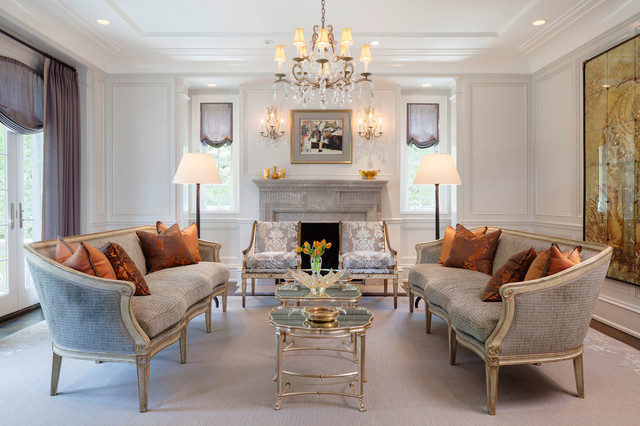
- Traditional homes → layered drapes
- Modern spaces → sleek blinds or motorized shades
Materials and Fabrics Matter
Natural vs Synthetic Fabrics
Natural fabrics like cotton and linen offer breathability and a relaxed feel, while synthetic materials like polyester are more durable and easier to maintain.
Durability and Maintenance
Consider how easy it is to clean your window treatments:
- Blinds are easy to wipe down
- Curtains may require washing or dry cleaning
- Shades vary depending on fabric
Layering Window Treatments for Style and Function
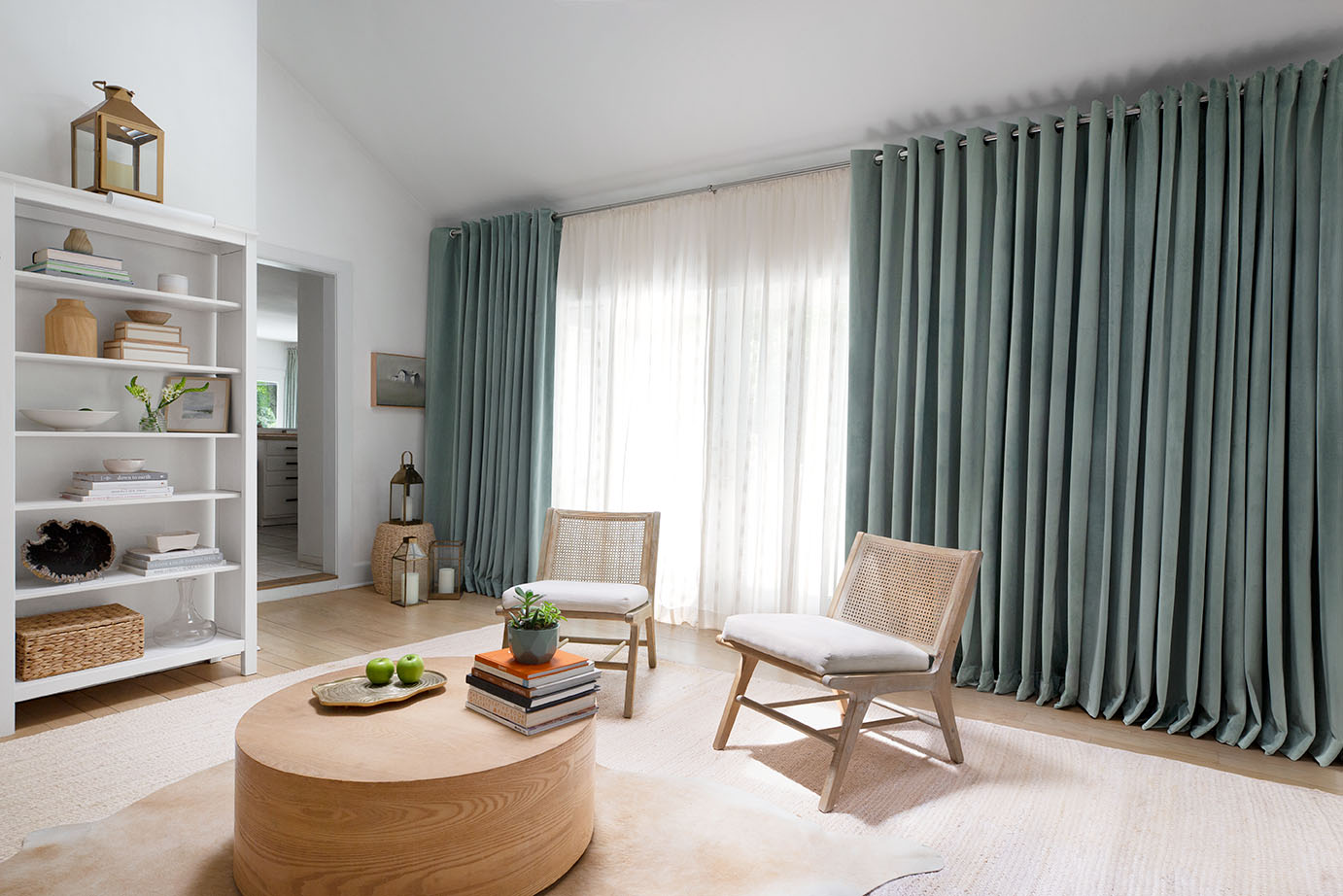
Layering combines multiple types of window treatments for both aesthetic and practical benefits. A common combination is sheer curtains paired with blackout drapes.
Benefits of layering:
- Enhanced light control
- Added depth and texture
- Improved insulation

Measuring and Installation Tips
Accurate Measurements
Always measure:
- Width of the window frame
- Height from top to desired length
Pro tip: Mounting treatments higher than the window can make ceilings appear taller.
DIY vs Professional Installation
While many options are DIY-friendly, larger or motorized systems may benefit from professional installation for a flawless finish.
Energy Efficiency and Insulation
Well-chosen window treatments can significantly reduce energy costs by:
- Keeping heat in during winter
- Blocking heat during summer
Cellular shades and heavy drapes are particularly effective for insulation.
Trends in Window Treatments
Smart and Motorized Options
Automation is becoming increasingly popular. Motorized window treatments can be controlled via remote or smartphone, adding convenience and a modern touch.
Sustainable Choices
Eco-friendly materials like bamboo and organic cotton are gaining popularity among environmentally conscious homeowners.
Common Mistakes to Avoid
- Choosing style over function
- Ignoring room-specific needs
- Incorrect measurements
- Overlooking maintenance requirements
Avoiding these pitfalls ensures your investment pays off in both form and function.
FAQ
Frequently Asked Questions
What are the best window treatments for privacy?
Blackout curtains, cellular shades, and wooden blinds are excellent for privacy while still offering style.
How do I choose window treatments for small rooms?
Opt for light-colored fabrics and simple designs to make the space feel larger and more open.
Are blinds or curtains better?
It depends on your needs—blinds offer precise control, while curtains provide softness and warmth.
How often should I clean window treatments?
Blinds can be cleaned monthly, while curtains typically need washing every 3–6 months.
Can window treatments improve energy efficiency?
Yes, especially insulated shades and heavy drapes, which help regulate indoor temperatures.
What is the most modern style of window treatments?
Minimalist roller shades and motorized options are currently trending in modern interiors.
Should window treatments match furniture?
They should complement the overall color scheme but don’t need to match exactly.
Are layered window treatments worth it?
Yes, they offer flexibility, style, and better light control.
Conclusion
The right window treatments do more than decorate—they enhance comfort, improve functionality, and bring cohesion to your living space. By understanding your needs, exploring different styles, and paying attention to details like fabric and installation, you can create a look that feels both intentional and inviting.
Take your time, experiment with combinations, and remember: the perfect choice is one that balances beauty with practicality.